Irrigation · Efficiency
Test It or Lose It: Set Up and Commission Your Field, Mainlines and Drips Before You Plant
Plant into a tested system — or pay for the one you didn’t test.
 Written by MAGC2 min read
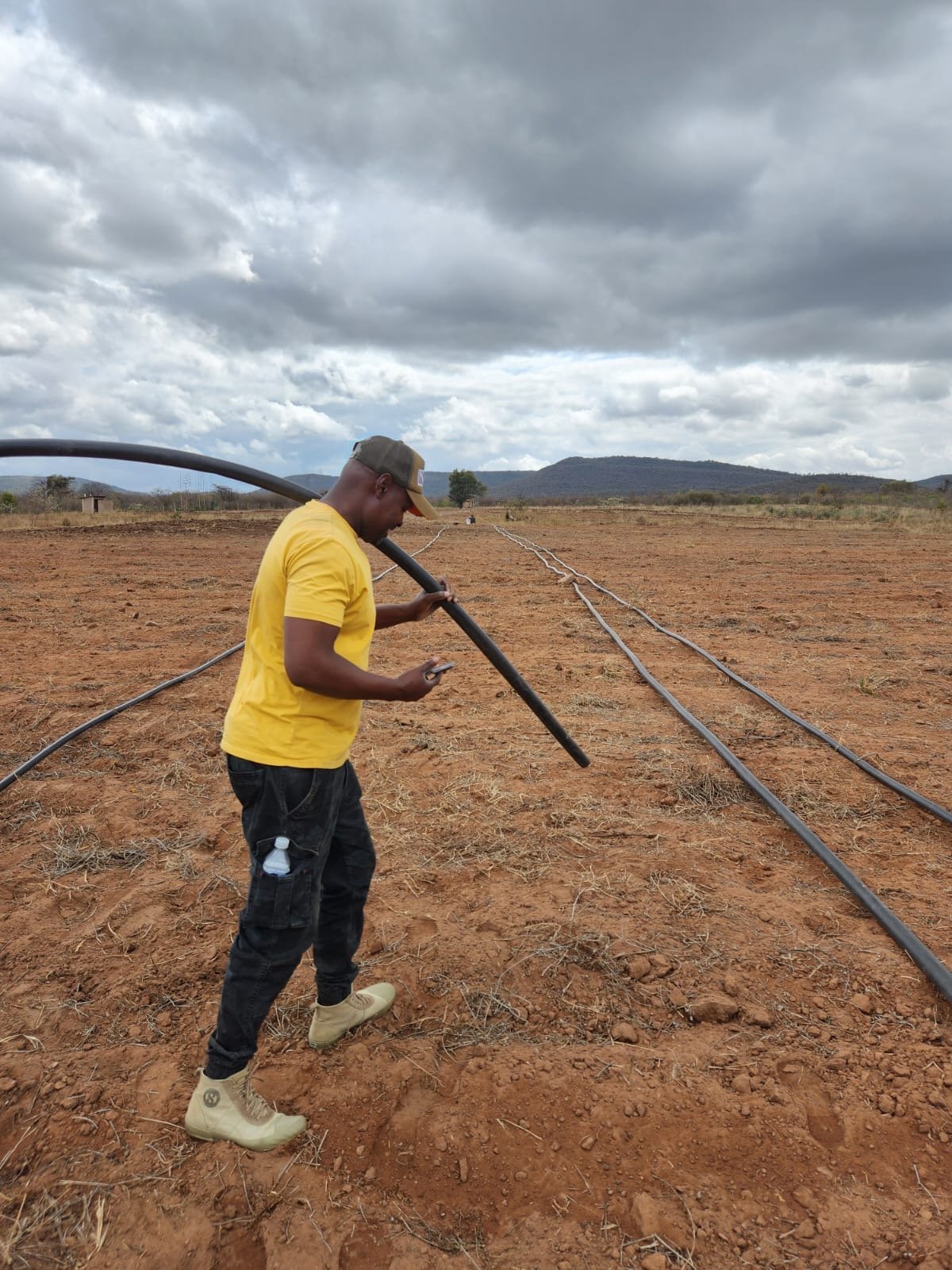
In commercial vegetable production, the margin is won or lost before the first seedling goes in. Field preparation, mainline and dripline installation, and commissioning decide what water, fertiliser, fuel and labour will cost you per hectare for the whole season.
Plant into a commissioned system and you farm all season. Plant into an uncommissioned one and you repair all season — at the crop's expense.
Three non-negotiables before planting
Field readiness
Rip or plough to break compaction, level the beds, and mark rows to your planned dripline spacing. Irrigation can only be as even as the field it sits on.
System installation
Lay mainlines and sub-mains with valves per block, fit filtration between pump and field, then roll driplines on the row with flush valves at every end.
Commissioning
Run the pump at working pressure, walk every line for leaks, check pressure at the start and end of the longest lines, and test the fertiliser tank on clean water.
Where the margin leaks
Every one of these is cheaper to prevent than to fix:
| Common mistake | Cost to the enterprise |
|---|---|
| Planting before the system is installed | Seedlings wait on water while pipe is laid. Early stress caps yield permanently and working through a planted field damages plants and soil. |
| No leak walk before the season | One leaking fitting wastes thousands of litres of pumped water per week while the far end of that line runs dry. You pay for that water twice — in fuel or electricity, and in lost yield. |
| Skipping filtration | Unfiltered water blocks emitters within weeks. Uneven, yellowing patches appear long after the damage, and replacing emitters costs far more than the filter did. |
| Testing the fertiliser tank on the crop | An untested injector can dump a whole tank into one block and burn roots, or feed nothing at all while you assume the crop is being fed. Both burn input cost. |
| Buying pipe before drawing the layout | Short rolls, wrong diameters and missing valves mean mid-season delays and a system that cannot run block by block. Redesigning after pipe is buried is the most expensive form of planning. |
Pre-planting readiness checklist
Every box ticked before the first seedling goes in:
- Field ripped, levelled and rows marked to dripline spacing
- Pump tested at working pressure and flow
- Filter installed and cleaned before the first run
- Mainlines and sub-mains laid, valves per block
- Driplines rolled out, emitters up, ends fitted with flush valves
- System run and walked for leaks; every leak repaired
- Pressure checked at the start and end of the longest lines
- Fertiliser tank and injector tested on clean water
- All lines flushed until the water runs clear
- First irrigation scheduled for planting day, not the week after
How MAGC supports your setup
- Drip irrigation supply, including the D900 dripline in 3 000 m rolls, with layout advice for your field.
- A fertiliser program built from your soil analysis, week by week from planting to harvest, so fertigation is ready when the system is.
- An enterprise budget tool to plan seed, fertiliser, chemical, labour and land-preparation cost per hectare before you commit.
- Direct WhatsApp contact with the MAGC team while you install and commission.
Order driplines and plan your setup with MAGC
Order the D900 black dripline (16 mm, 0.15 mm wall, 2.2 L/h emitters at 0.30 m spacing) at R2 650 per 3 000 m roll, and talk to us about mainlines, filtration and fertigation for your field.
Every field and water source is different. Pump sizing, pipe class, emitter spacing and filtration must be matched to your water yield, pressure, soil and crop. Speak to an MAGC agronomist before finalising your irrigation design, and always follow the safety instructions for pumps, fuel and fertiliser handling.
Share