Summer planting · Watermelon
Watermelon for an El Niño summer: production, markets and a plan for profit
 Written by MAGC5–6 min read
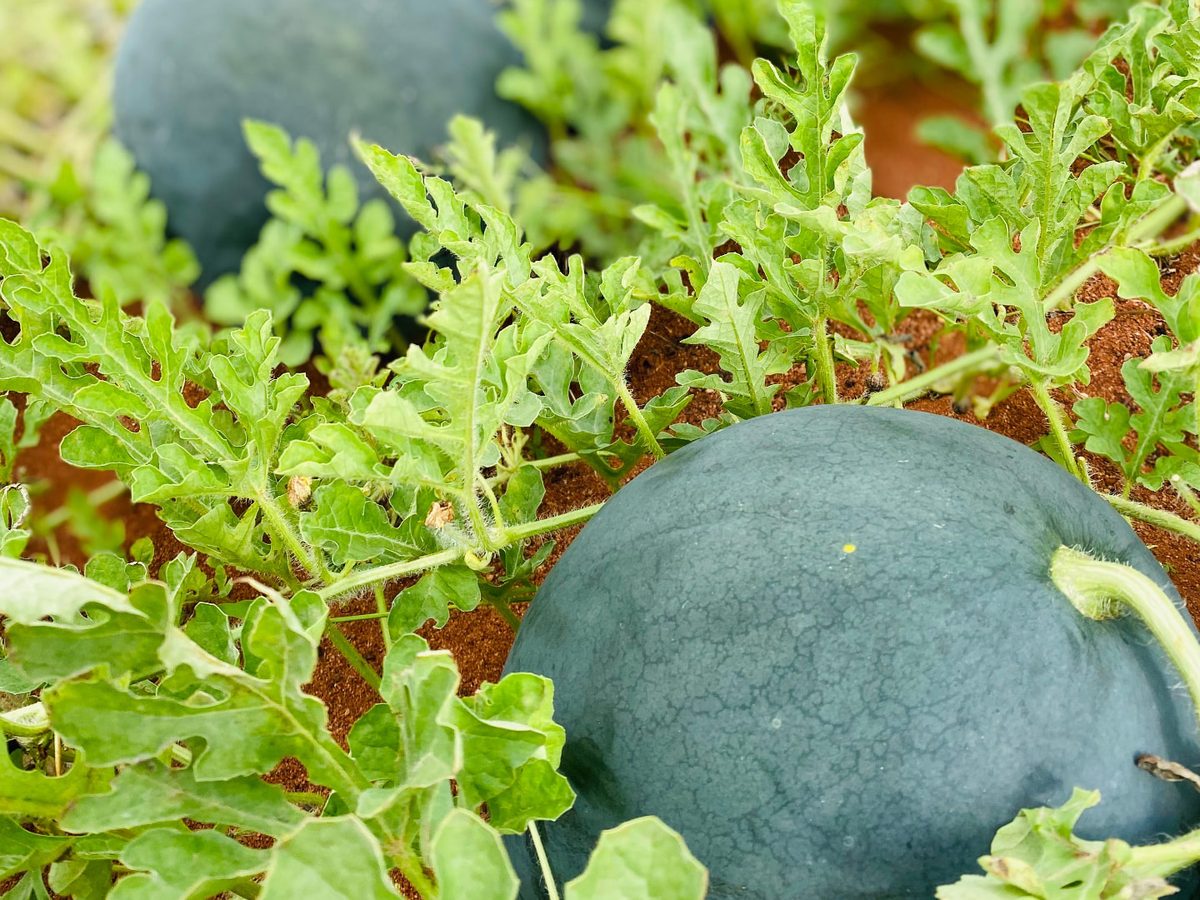
NOAA's October 2026 outlook expects a strong to very strong El Niño to last through January–March 2027. For southern Africa, that raises the risk of a hotter, drier summer with longer dry spells between rains.
For many vegetable growers, that is a risk. For watermelon growers who plan well, it is an opportunity. Watermelon thrives in heat, sells through several well-established market channels, and responds strongly to good water and nutrient management. This article sets out the production case, the sales case and the planning steps to take now, while we are in the planting window.
Six reasons to plant watermelon this season
Few crops line up with this summer's conditions and markets as well as watermelon does. Here is the case in short:
The weather is on your side
Heat and sunshine are exactly what watermelon needs. In a season that may punish leafy and cool-season crops, watermelon is built to perform.
Money back in about three months
Most varieties are ready 80–100 days after sowing. A crop planted this month can be selling from late January, at the height of summer demand.
High output from every hectare
Well-managed crops under drip irrigation can produce tens of tonnes of fruit per hectare, so good management pays back strongly.
Buyers are already waiting
Bakkie traders, hawkers, fresh produce markets and shops all buy watermelon in summer. You are not relying on a single buyer.
Lower disease and rot risk
Less rain means fewer waterlogged fields and less leaf disease. With drip irrigation, you decide how much water the crop gets.
Fruit that can wait for the right price
Unlike leafy vegetables, watermelon keeps for up to two to three weeks after harvest if handled well, so you can hold out for a fair price.
The production case: why watermelon suits hot, dry areas
Heat drives yield and sweetness
Watermelon grows best at about 25–35 °C. Long, sunny days raise sugar levels (Brix), and sweetness is what buyers pay for.
Lower risk of waterlogging and rot
In a season with less rain, fields are less likely to stay waterlogged. That reduces root rot, fruit rot and soil-borne disease, as long as irrigation is matched to crop demand.
Lower leaf-disease pressure
Dry air means less downy mildew, anthracnose and other leaf diseases than in humid seasons, which can reduce spray costs.
Suited to warm, free-draining soils
The crop does well on the sandy and red soils of areas such as Musina, Giyani, Phalaborwa, Malelane and Komatipoort, and reaches harvest about 80–100 days after sowing.
Marketing and sales: building a route to market
A profitable watermelon enterprise starts with a sales plan, not only a planting plan. Watermelon has an advantage over many vegetables: demand is broad, it peaks in summer, and the fruit keeps for up to two to three weeks after harvest when handled and stored well. That gives you time to sell at the right price rather than accepting the first offer. The strongest growers spread their sales across three channels:
Informal trade: bakkie traders and hawkers
This is the fastest route to cash. Buyers collect at the farm gate, so you carry no transport or market costs, and payment is immediate. Hawkers and roadside traders buy repeatedly through summer, which supports steady weekly sales.
Sales tip: Agree the price per fruit or per load before loading, and keep a record of each sale.
Fresh produce markets
National markets such as Joburg Market and Tshwane Market can absorb large volumes when the whole field is ready. Market agents sell on commission, and prices reflect daily supply and demand, which gives you a clear picture of market value.
Sales tip: Grade fruit by size, deliver clean, undamaged fruit and build a relationship with one or two reliable agents.
Retail and local wholesale
Fruit and vegetable shops, spaza shops, local wholesalers and supermarkets want consistent supply and uniform quality. Larger retailers may also require food-safety records or certification.
Sales tip: Approach buyers before harvest with expected volumes and dates. A buyer who can plan with you is more likely to commit.
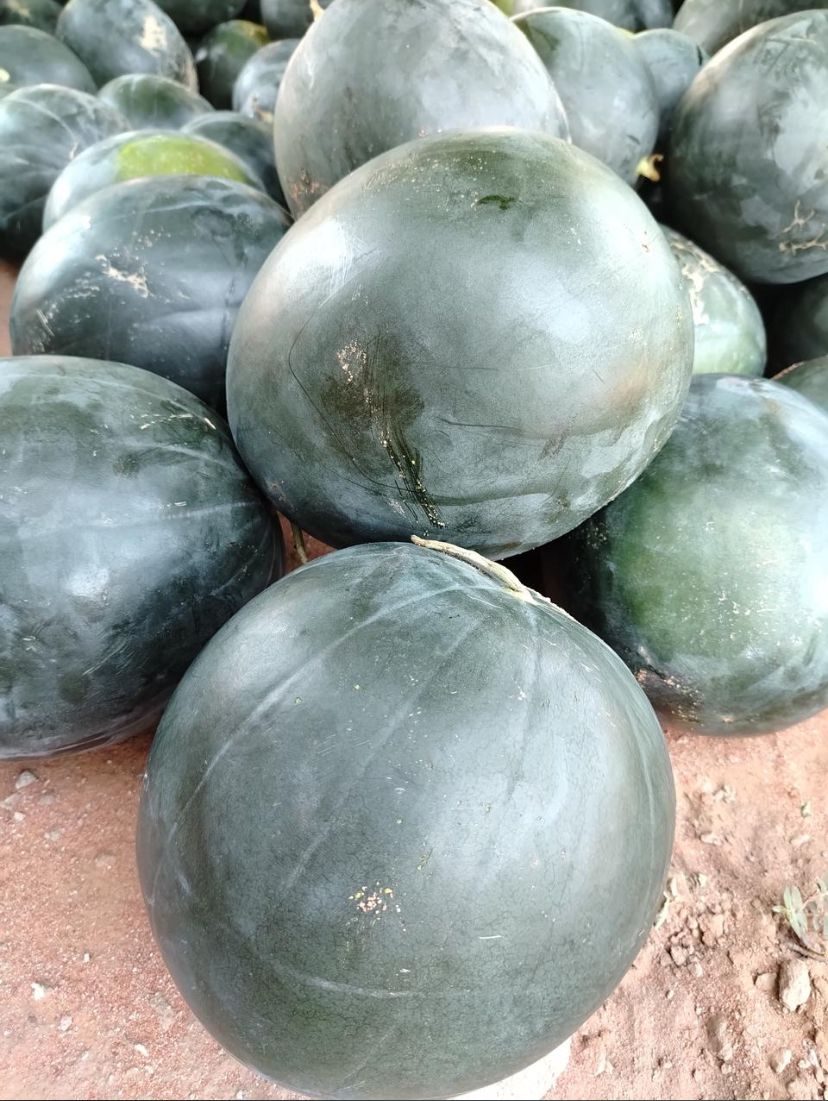
A five-step sales plan
- 1
Know your buyers before you plant. Decide which channels you will sell through and roughly what share of the crop each will take.
- 2
Stagger plantings. Sowing blocks two to three weeks apart spreads the harvest, matches what traders can take each week and reduces the risk of selling everything in one low-price week.
- 3
Time the harvest for peak demand. Demand rises with temperature, through the festive season, the school holidays and every heatwave. Plan your planting dates backwards from the weeks you want to sell.
- 4
Grade and present the fruit. Sort fruit into size classes, keep it clean and handle it carefully. Uniform, well-presented loads earn better prices in every channel.
- 5
Track your numbers. Record yield, price and buyer for every load. These records show which channel pays best and strengthen your position with buyers and lenders.
Why drip irrigation is essential this El Niño season
Watermelon tolerates heat, but yield and fruit size depend on a steady water supply, especially from flowering through fruit enlargement. A drier season gives growers an advantage: with less rain, you control almost all of the water the crop receives. Drip irrigation is how you use that control well:
- Water goes straight to the root zone, so far less is lost to evaporation and run-off than with flood or overhead irrigation. That matters when dams and boreholes run low.
- Leaves and fruit stay dry, which reduces leaf disease and fruit rot.
- Controlled, even moisture prevents both waterlogging and drought stress, and reduces split or cracked fruit after a dry spell or sudden storm.
- Fertigation delivers fertiliser in small, regular doses exactly where the roots are, which improves uptake and reduces waste.
- Water can be managed by crop stage: more at flowering and fruit enlargement, then less in the last 7–10 days before harvest to protect sugar levels.
The lower waterlogging risk only holds if irrigation is matched to the crop. Over-watering on drip can still cause root and fruit rot, and a single heavy storm can still flood low-lying blocks. Plant on well-drained land and irrigate according to soil moisture, not the calendar.
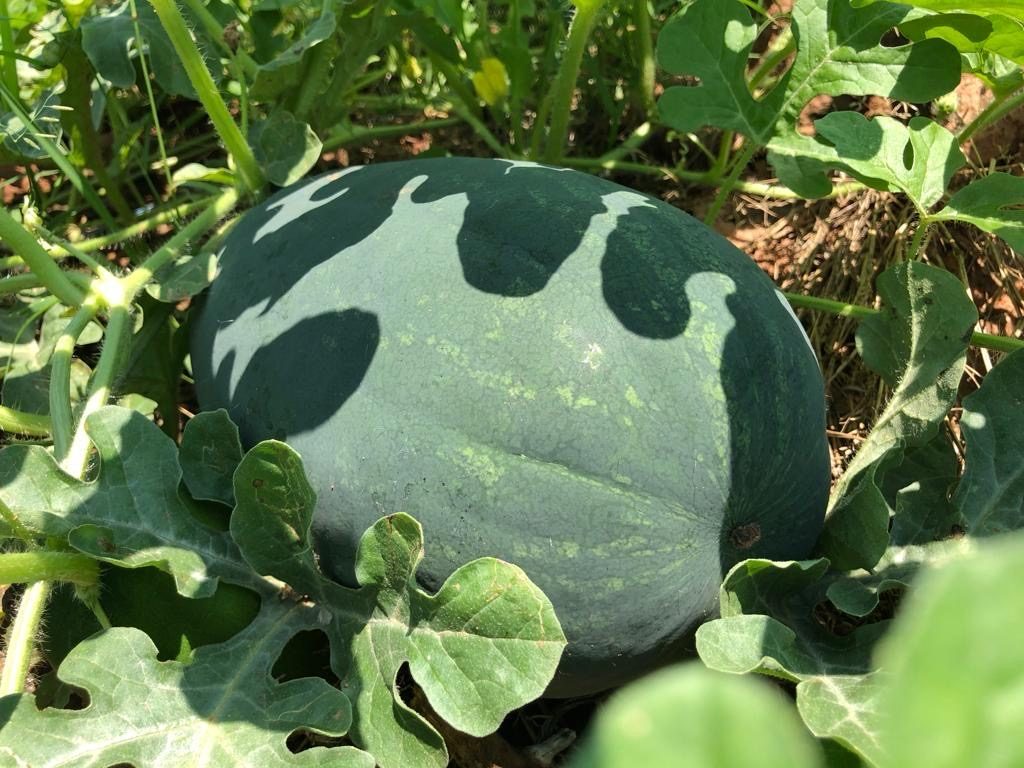
Plan now: fertiliser, costs and weather
We are in the watermelon planting window now. Decisions made before the seed goes in, on nutrition, budget and timing, largely determine the yield and margin at harvest. MAGC offers three tools on this website to help you plan:
Fertiliser program
Upload your soil analysis, choose watermelon, your target yield and hectares, and receive a week-by-week program from planting to harvest, with kg per hectare, total kg per fertiliser and a shopping list you can download as a PDF.
Build my fertiliser programEnterprise budget
Plan your seed, fertiliser, chemical, labour and land-preparation costs per hectare, enter your expected yield and price, and see your gross margin and net farm income before you commit money to the field.
Plan my costsGrower weather
Check the 7-day forecast for your area, including heat, wind, hail and heavy-rain risks, to plan planting, spraying and irrigation.
Check my weatherPlanting guidelines for this summer
- Sow when the soil is warm (above about 18–20 °C). Watermelon does not tolerate cold soil.
- Plan on about 6 000 seeds per hectare, for example rows about 2 m apart with plants about 80 cm apart in the row.
- Install drip lines before planting and mulch around the plants to keep the soil cool and moist. Straw mulch also keeps fruit off bare soil.
- Protect pollinators: spray in the late afternoon or evening, when bees are not working the flowers.
- Scout weekly for aphids, red spider mite (worse in hot, dry weather), fruit fly and powdery mildew. Use our Crop check tool if something looks wrong.
- Harvest when the tendril next to the fruit has dried, the ground spot has turned creamy yellow and the fruit sounds dull when tapped.
The planting window is open now
Every week of delay moves your harvest later into the season and shortens your selling window. Growers who sow in November, with drip lines in place, a fertiliser program in hand and buyers lined up, are the ones selling into the January and February heat.
Hot, dry summers are when well-run watermelon blocks do their best. With the right seed, careful water management and a clear sales plan, this El Niño season can be one of your most profitable. Start with one well-managed hectare, measure the results, and grow from there.
Why growers buy from MAGC
We work with vegetable growers across Limpopo, Mpumalanga and Gauteng, and we know that every rand spent before planting must come back at harvest. That is why we keep our offer clear and our support practical:
- Published 2026 prices for every seed pack, so you know the cost before you order.
- A clear 5% online discount on watermelon orders of 6 000 seeds or more (about 1 hectare), applied automatically.
- Agronomy support from seed choice through to harvest, plus drip irrigation design and supply.
- Practical online tools for fertiliser planning, budgeting, crop checks and weather.
- Direct contact on WhatsApp with the MAGC team serving Limpopo, Mpumalanga and Gauteng.
Order watermelon seed and drip irrigation from MAGC
Choose Adv 1401 watermelon seed in 1 000 and 5 000 seed packs. Online orders of 6 000 seeds or more (about 1 hectare) automatically qualify for a 5% discount. Ask us about drip lines, filtration and fertigation for your field.
El Niño raises the chance of warmer, drier conditions but does not guarantee them at your farm, and heavy storms remain possible. Market prices change from week to week, and yields depend on soil, water, management and weather. Check the latest SAWS seasonal outlook and our Grower weather tool before planting, and speak to an MAGC agronomist about the best planting date, fertiliser program and irrigation design for your area.
Share